CTET 2026 Child Development and Pedagogy for Paper I is a crucial section for candidates preparing for the Primary Stage (Classes I–V). This paper focuses on understanding how children grow, learn, think, and develop emotionally and socially. It covers key topics such as principles of development, influence of heredity and environment, learning theories, individual differences, and inclusive education. A strong conceptual foundation in Child Development and Pedagogy helps candidates approach classroom situations effectively and score well in the CTET 2026 examination conducted by the Central Board of Secondary Education under the Central Teacher Eligibility Test.
Table of Contents
CTET 2026 Child Development and Pedagogy for Paper I (Classes I–V) – 100 MCQs and Answers
a) Child Development
- Development is a process that is
A. Sudden
B. Continuous
C. Fixed
D. Random
Answer: B

- Growth refers mainly to
A. Emotional change
B. Social change
C. Physical increase
D. Moral values
Answer: C
- Development proceeds from
A. Simple to complex
B. Complex to simple
C. Downward only
D. Random order
Answer: A
- The principle of cephalocaudal development means development from
A. Feet to head
B. Head to toe
C. Inside to outside
D. Outside to inside
Answer: B
- Proximodistal principle means development from
A. Center to extremities
B. Extremities to center
C. Top to bottom
D. Bottom to top
Answer: A
- Heredity influences
A. Only intelligence
B. Only height
C. Development along with environment
D. Only behavior
Answer: C
- Environment includes
A. Only school
B. Only family
C. Surroundings influencing child
D. Only friends
Answer: C
- Cognitive development refers to development of
A. Emotions
B. Thinking abilities
C. Height
D. Muscles
Answer: B
- According to Piaget, children learn best through
A. Memorization
B. Active interaction
C. Punishment
D. Isolation
Answer: B
- Emotional development affects
A. Academic performance
B. Only games
C. Only drawing
D. Only speech
Answer: A
- Individual differences mean
A. All children are same
B. Children differ in abilities
C. No learning difference
D. Same intelligence
Answer: B
- Social development includes learning
A. Walking
B. Reading
C. Social interaction
D. Sleeping
Answer: C
- Moral development relates to
A. Right and wrong
B. Height
C. Weight
D. Language
Answer: A
- Intelligence is
A. Fixed forever
B. Only hereditary
C. Ability to adapt and solve problems
D. Only memory
Answer: C
- Adolescence is marked by
A. No change
B. Rapid physical and emotional change
C. Only academic growth
D. No development
Answer: B
- Maturation means
A. Learning by force
B. Natural growth process
C. Punishment
D. Memorization
Answer: B
- Development is influenced by
A. Only heredity
B. Only environment
C. Both heredity and environment
D. None
Answer: C
- Readiness means
A. Forcing child to learn
B. Child is prepared to learn
C. Ignoring child
D. Testing daily
Answer: B
- A supportive home improves
A. Emotional security
B. Fear
C. Anxiety
D. Aggression
Answer: A
- Play is important because it
A. Wastes time
B. Supports development
C. Reduces intelligence
D. Is punishment
Answer: B
- Language development is influenced by
A. Interaction
B. Isolation
C. Silence
D. Fear
Answer: A
- Self-concept develops through
A. Experiences
B. Isolation
C. Punishment
D. Fear
Answer: A
- Development is
A. Quantitative only
B. Qualitative only
C. Both qualitative and quantitative
D. None
Answer: C
- Peer group influences
A. Social skills
B. Height
C. Weight
D. Eye color
Answer: A
- Motivation enhances
A. Learning
B. Forgetting
C. Fear
D. Laziness
Answer: A
- Creativity means
A. Copying
B. Producing new ideas
C. Memorizing
D. Repeating
Answer: B
- Emotional stability helps in
A. Better adjustment
B. Aggression
C. Fear
D. Withdrawal
Answer: A
- Early childhood is important because
A. Brain develops rapidly
B. No learning occurs
C. Only play happens
D. Nothing changes
Answer: A
- Development cannot be
A. Measured
B. Influenced
C. Reversed completely
D. Observed
Answer: C
- Healthy nutrition supports
A. Growth and development
B. Laziness
C. Fear
D. Anger
Answer: A
b) Concept of Inclusive Education and Understanding Children with Special Needs
- Inclusive education means
A. Separate schools
B. Teaching all children together
C. Ignoring disability
D. Only gifted classes
Answer: B
- The goal of inclusion is
A. Equality
B. Segregation
C. Competition
D. Isolation
Answer: A
- A child with hearing impairment may need
A. Sign language
B. Punishment
C. Ignorance
D. Isolation
Answer: A
- Dysgraphia affects
A. Writing
B. Hearing
C. Vision
D. Walking
Answer: A
- ADHD mainly affects
A. Attention
B. Height
C. Vision
D. Weight
Answer: A
- Gifted children require
A. Enrichment activities
B. Neglect
C. Punishment
D. Isolation
Answer: A
- Inclusive classroom promotes
A. Respect
B. Discrimination
C. Fear
D. Isolation
Answer: A
- Braille is used by
A. Visually impaired children
B. Hearing impaired
C. Gifted
D. Slow learners
Answer: A
- Learning disability is
A. Low intelligence
B. Specific difficulty in learning
C. Laziness
D. Disobedience
Answer: B
- Teacher’s role in inclusion is
A. Support all learners
B. Ignore special needs
C. Punish slow learners
D. Segregate children
Answer: A
- IEP stands for
A. Individualized Education Plan
B. Inclusive Education Program
C. Integrated Exam Plan
D. None
Answer: A
- Autism affects
A. Social interaction
B. Height
C. Weight
D. Hair color
Answer: A
- Inclusive education reduces
A. Social barriers
B. Equality
C. Cooperation
D. Empathy
Answer: A
- Universal Design for Learning supports
A. All learners
B. Only gifted
C. Only disabled
D. None
Answer: A
- Empathy in classroom builds
A. Acceptance
B. Fear
C. Discrimination
D. Anger
Answer: A
- A resource room is meant for
A. Extra support
B. Punishment
C. Isolation
D. Entertainment
Answer: A
- Inclusive practices encourage
A. Participation
B. Exclusion
C. Segregation
D. Competition only
Answer: A
- Children with special needs require
A. Patience
B. Punishment
C. Isolation
D. Neglect
Answer: A
- Equal opportunity means
A. Same treatment always
B. Fair support as needed
C. Ignoring differences
D. None
Answer: B
- Inclusive education benefits
A. Only disabled
B. Only normal
C. All students
D. None
Answer: C
c) Learning and Pedagogy
- Learning is
A. Permanent change in behavior
B. Temporary change
C. No change
D. Physical growth
Answer: A
- Constructivism emphasizes
A. Rote learning
B. Active learning
C. Punishment
D. Memorization
Answer: B
- Formative assessment is used for
A. Improvement
B. Final grading only
C. Punishment
D. Selection
Answer: A
- Motivation can be
A. Intrinsic
B. Extrinsic
C. Both
D. None
Answer: C
- Child-centered teaching focuses on
A. Teacher
B. Child
C. Principal
D. Textbook only
Answer: B
- Bloom’s taxonomy includes
A. Cognitive domain
B. Physical domain
C. Only sports
D. None
Answer: A
- Reinforcement strengthens
A. Behavior
B. Fear
C. Laziness
D. Silence
Answer: A
- Cooperative learning encourages
A. Teamwork
B. Isolation
C. Fear
D. Competition only
Answer: A
- Learning is effective when
A. Meaningful
B. Forced
C. Punished
D. Ignored
Answer: A
- Feedback helps
A. Improvement
B. Confusion
C. Fear
D. Withdrawal
Answer: A
- Scaffolding means
A. Temporary support
B. Permanent help
C. No help
D. Punishment
Answer: A
- Activity-based learning promotes
A. Engagement
B. Boredom
C. Fear
D. Isolation
Answer: A
- Continuous evaluation helps
A. Track progress
B. Punish
C. Compare only
D. Rank only
Answer: A
- Discovery learning encourages
A. Exploration
B. Memorization
C. Silence
D. Fear
Answer: A
- Remedial teaching helps
A. Slow learners
B. Only gifted
C. None
D. Punish
Answer: A
- Classroom management ensures
A. Discipline and learning
B. Fear
C. Chaos
D. Silence
Answer: A
- Learning objectives must be
A. Clear
B. Confusing
C. Hidden
D. Random
Answer: A
- Teaching aids make learning
A. Interesting
B. Boring
C. Difficult
D. Fearful
Answer: A
- Critical thinking involves
A. Analysis
B. Memorization
C. Copying
D. Silence
Answer: A
- Peer learning promotes
A. Cooperation
B. Isolation
C. Fear
D. None
Answer: A
- Assessment should be
A. Fair
B. Biased
C. Harsh
D. Random
Answer: A
- Learning style varies among
A. Individuals
B. Groups only
C. None
D. Teachers
Answer: A
- Positive reinforcement includes
A. Praise
B. Punishment
C. Scolding
D. Isolation
Answer: A
- Diagnostic test identifies
A. Weakness
B. Rank
C. Topper
D. None
Answer: A
- Child psychology helps teacher to
A. Understand learners
B. Punish
C. Ignore
D. Segregate
Answer: A
- Experiential learning means
A. Learning by doing
B. Listening only
C. Reading only
D. Writing only
Answer: A
- Learning environment should be
A. Supportive
B. Threatening
C. Strict only
D. Silent only
Answer: A
- Questioning technique improves
A. Thinking
B. Fear
C. Laziness
D. Confusion
Answer: A
- Curriculum should be
A. Flexible
B. Rigid
C. Fixed forever
D. Unchanged
Answer: A
- Pedagogy means
A. Art of teaching
B. Punishment
C. Testing
D. Ranking
Answer: A
- Inclusive pedagogy supports
A. Diversity
B. Segregation
C. Fear
D. Isolation
Answer: A
- Holistic development includes
A. All-round growth
B. Only academics
C. Only sports
D. Only art
Answer: A
- Reflection improves
A. Teaching
B. Fear
C. Confusion
D. Anger
Answer: A
- Constructive feedback should be
A. Specific
B. Harsh
C. Negative
D. Personal
Answer: A
- Learner autonomy means
A. Independent learning
B. Dependence
C. Fear
D. Isolation
Answer: A
- Mastery learning ensures
A. Understanding before moving ahead
B. Fast syllabus completion
C. Ranking
D. Competition
Answer: A
- Interactive classroom encourages
A. Participation
B. Silence
C. Fear
D. Isolation
Answer: A
- Concept mapping helps in
A. Organizing ideas
B. Confusion
C. Forgetting
D. Fear
Answer: A
- Effective teacher is
A. Facilitator
B. Dictator
C. Punisher
D. Silent observer
Answer: A
- Classroom diversity means
A. Different abilities
B. Same students
C. Only toppers
D. None
Answer: A
- Reinforcement schedule affects
A. Learning rate
B. Height
C. Weight
D. Vision
Answer: A
- Inquiry-based learning promotes
A. Curiosity
B. Fear
C. Silence
D. Isolation
Answer: A
- Emotional intelligence helps in
A. Classroom harmony
B. Fear
C. Anger
D. Conflict
Answer: A
- Summative assessment is conducted
A. End of term
B. Daily
C. Every minute
D. None
Answer: A
- Teaching strategy should match
A. Learner needs
B. Teacher mood
C. Weather
D. None
Answer: A
- Effective communication requires
A. Clarity
B. Confusion
C. Anger
D. Fear
Answer: A
- Learning is influenced by
A. Interest
B. Fear only
C. Punishment only
D. None
Answer: A
- Project method encourages
A. Practical knowledge
B. Memorization
C. Silence
D. Fear
Answer: A
- Evaluation helps in
A. Improvement
B. Punishment
C. Ranking only
D. Fear
Answer: A
- The ultimate aim of pedagogy is
A. Meaningful learning
B. Fear
C. Isolation
D. Competition only
Answer: A
A clear understanding of the CTET 2026 Child Development and Pedagogy Paper I is essential for candidates aiming to qualify for the Primary Stage. The Principles of Development of Children form the foundation of this section, helping teachers understand how children grow physically, cognitively, socially, and emotionally. Regular practice of conceptual and application-based questions strengthens analytical thinking and classroom readiness. By mastering topics under CTET 2026 Child Development and Pedagogy Paper I, candidates can confidently approach the examination and improve their overall score in the Child Development section.
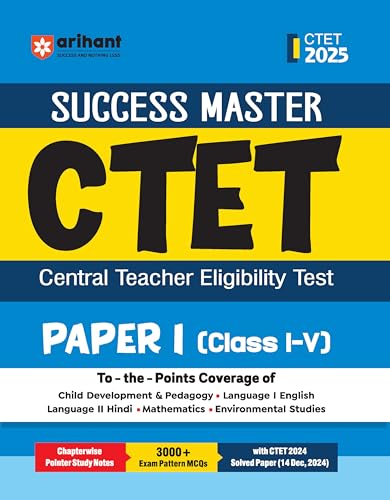
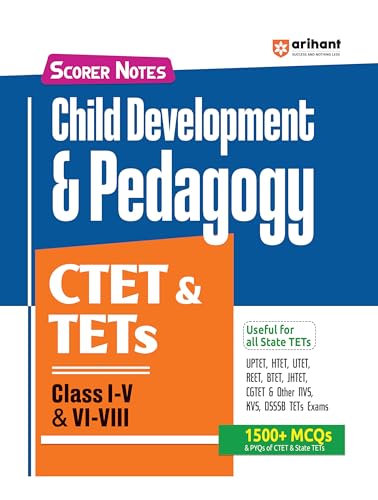
CTET 2026 Useful Books





Join NCERTBooksOnline on Social Sites:
Facebook: Joi Here
Whatsapp: Join Here
Telegram: Join Here