CTET 2026 Environmental Studies for Paper I is an important section for candidates preparing for the Primary Stage (Classes I–V). This subject emphasizes understanding children’s immediate environment and their relationship with family, food, shelter, water, travel, and the world around them. It also highlights the integrated nature of Environmental Studies by combining concepts from Science and Social Science. The syllabus includes both content knowledge and pedagogical understanding such as activity-based learning, observation skills, continuous assessment, and experiential teaching methods. A strong grasp of CTET 2026 Environmental Studies Paper I enables candidates to develop environmental sensitivity and effectively handle classroom situations in the Central Teacher Eligibility Test conducted by CBSE.
Table of Contents
CTET 2026 Environmental Studies for Paper I (Classes I–V) – MCQs and Answers
a) Content – 50 Questions (1–50)
- A family where parents and children live together is called:
a) Joint family
b) Nuclear family
c) Extended family
d) Large family
Answer: b
- Caring for younger siblings shows:
a) Responsibility
b) Anger
c) Fear
d) Carelessness
Answer: a
- Which of the following is a domestic animal?
a) Tiger
b) Lion
c) Cow
d) Deer
Answer: c
- Plants make their own food by:
a) Digestion
b) Photosynthesis
c) Respiration
d) Absorption
Answer: b
- Roots help plants to:
a) Fly
b) Absorb water
c) Sing
d) Move
Answer: b
- Which is an energy-giving food?
a) Rice
b) Water
c) Air
d) Salt
Answer: a
- Fruits are rich in:
a) Vitamins
b) Cement
c) Oil
d) Plastic
Answer: a
- An igloo is made of:
a) Mud
b) Ice
c) Wood
d) Cement
Answer: b
- Houses in flood areas are built on:
a) Sand
b) Stilts
c) Ice
d) Mud
Answer: b
- Water is purified by:
a) Painting
b) Boiling
c) Freezing
d) Mixing soil
Answer: b
- Main source of water is:
a) Sun
b) Rain
c) Wind
d) Moon
Answer: b
- Evaporation changes water into:
a) Ice
b) Vapour
c) Mud
d) Salt
Answer: b
- Fastest means of transport is:
a) Bus
b) Train
c) Aeroplane
d) Bicycle
Answer: c
- Zebra crossing is for:
a) Drivers
b) Animals
c) Pedestrians
d) Cyclists
Answer: c
- Camel is suitable for:
a) Snow
b) Desert
c) River
d) Forest
Answer: b
- Potter makes pots from:
a) Clay
b) Iron
c) Plastic
d) Glass
Answer: a
- Tailor stitches:
a) Furniture
b) Clothes
c) Pots
d) Shoes
Answer: b
- Recycling helps to:
a) Increase waste
b) Reduce pollution
c) Cut trees
d) Waste water
Answer: b
- Balanced diet contains:
a) Only rice
b) Only milk
c) All nutrients
d) Only fruits
Answer: c
- Kutcha houses are made of:
a) Cement
b) Mud and straw
c) Steel
d) Glass
Answer: b
- Which is an underground source of water?
a) River
b) Pond
c) Well
d) Sea
Answer: c
- Red light in traffic signal means:
a) Go
b) Stop
c) Run
d) Slow
Answer: b
- Paper is made from:
a) Plastic
b) Wood pulp
c) Iron
d) Sand
Answer: b
- Washing hands before eating shows:
a) Cleanliness
b) Carelessness
c) Laziness
d) Anger
Answer: a
- Plants give us:
a) Oxygen
b) Plastic
c) Glass
d) Smoke
Answer: a
- Which is a carnivorous animal?
a) Goat
b) Cow
c) Lion
d) Deer
Answer: c
- Milk is obtained from:
a) Mango tree
b) Cow
c) River
d) Soil
Answer: b
- Houses made of bricks and cement are called:
a) Kutcha houses
b) Temporary houses
c) Pucca houses
d) Tents
Answer: c
- Water cycle includes:
a) Evaporation
b) Condensation
c) Rainfall
d) All of these
Answer: d
- Boat travels on:
a) Road
b) Air
c) Water
d) Desert
Answer: c
- Postman delivers:
a) Food
b) Letters
c) Clothes
d) Milk
Answer: b
- Good habit for saving water is:
a) Keeping tap open
b) Closing tap properly
c) Wasting water
d) Breaking pipes
Answer: b
- Which animal lives in water?
a) Camel
b) Fish
c) Cow
d) Dog
Answer: b
- Sunlight is necessary for:
a) Photosynthesis
b) Sleeping
c) Playing only
d) Eating
Answer: a
- Vegetables grow in:
a) Soil
b) Air
c) Fire
d) Plastic
Answer: a
- Bus and train are means of:
a) Shelter
b) Travel
c) Food
d) Water
Answer: b
- Rainwater harvesting helps to:
a) Waste water
b) Store water
c) Pollute water
d) Evaporate water
Answer: b
- A doctor helps us to:
a) Build houses
b) Stay healthy
c) Grow crops
d) Drive bus
Answer: b
- Farmers grow:
a) Crops
b) Cars
c) Houses
d) Machines
Answer: a
- Air pollution is caused by:
a) Trees
b) Vehicles smoke
c) Clean water
d) Rain
Answer: b
- Forests provide:
a) Wood
b) Oxygen
c) Shelter to animals
d) All of these
Answer: d
- Water is essential for:
a) Life
b) Plastic
c) Cement
d) Smoke
Answer: a
- Compost is made from:
a) Plastic
b) Kitchen waste
c) Iron
d) Glass
Answer: b
- We should throw waste in:
a) Road
b) Dustbin
c) River
d) Playground
Answer: b
- Seed grows into:
a) Animal
b) Plant
c) Stone
d) Plastic
Answer: b
- Healthy food keeps us:
a) Weak
b) Strong
c) Sick
d) Angry
Answer: b
- Traffic rules ensure:
a) Safety
b) Danger
c) Noise
d) Pollution
Answer: a
- Clothes protect us from:
a) Weather
b) Books
c) Food
d) Soil only
Answer: a
- Trees prevent:
a) Soil erosion
b) Rain
c) Sunlight
d) Wind
Answer: a
- Saving electricity helps to:
a) Waste energy
b) Conserve resources
c) Increase pollution
d) Burn fuel
Answer: b
b) Pedagogical Issues – 50 Questions (51–100)
- EVS at primary stage is:
a) Separate subjects
b) Integrated subject
c) Optional
d) Theoretical only
Answer: b
- EVS combines concepts of:
a) Maths
b) Science and Social Science
c) English
d) Art only
Answer: b
- Learning in EVS should be:
a) Rote-based
b) Experience-based
c) Lecture only
d) Exam focused
Answer: b
- Field visits promote:
a) Memorization
b) Experiential learning
c) Fear
d) Silence
Answer: b
- Discussion method encourages:
a) Participation
b) Passivity
c) Fear
d) Isolation
Answer: a
- CCE stands for:
a) Continuous and Comprehensive Evaluation
b) Central Common Exam
c) Class Control Exercise
d) Common Course Exam
Answer: a
- EVS teaching should encourage:
a) Questioning
b) Silence
c) Fear
d) Competition only
Answer: a
- Activity-based learning develops:
a) Observation skills
b) Fear
c) Laziness
d) Confusion
Answer: a
- Teaching aids include:
a) Charts
b) Models
c) Real objects
d) All of these
Answer: d
- Main aim of EVS is to develop:
a) Environmental sensitivity
b) Fear
c) Rote memory
d) Marks
Answer: a
- Project work in EVS helps children to:
a) Memorize facts
b) Learn through investigation and participation
c) Avoid classroom work
d) Compete with others
Answer: b
- Observation method in EVS develops:
a) Guessing
b) Analytical skills
c) Fear
d) Silence
Answer: b
- An EVS teacher should relate lessons to:
a) Foreign examples only
b) Local environment
c) Textbook only
d) Exams only
Answer: b
- Group activities in EVS promote:
a) Isolation
b) Cooperation
c) Competition only
d) Fear
Answer: b
- The integrated nature of EVS means:
a) Separate subjects
b) Combining science and social science concepts
c) Only theory
d) Only experiments
Answer: b
- Field trips are useful because they provide:
a) Entertainment only
b) Real-life exposure
c) Holiday
d) Homework
Answer: b
- Continuous assessment helps teacher to:
a) Rank students
b) Track progress regularly
c) Punish students
d) Finish syllabus fast
Answer: b
- Open-ended questions in EVS encourage:
a) Rote learning
b) Critical thinking
c) Memorization
d) Silence
Answer: b
- Teaching-learning material should be:
a) Abstract only
b) Age appropriate
c) Difficult
d) Expensive
Answer: b
- Constructivist approach in EVS means:
a) Teacher-centered
b) Child constructs knowledge through experience
c) Lecture only
d) Exam-oriented
Answer: b
- Inclusive classroom in EVS ensures:
a) Equal participation
b) Discrimination
c) Competition only
d) Isolation
Answer: a
- Brainstorming strategy helps in:
a) Generating ideas
b) Memorizing answers
c) Silence
d) Avoiding discussion
Answer: a
- Portfolio assessment includes:
a) Final marks only
b) Collection of student work
c) Oral punishment
d) Ranking
Answer: b
- Concept mapping helps students to:
a) Connect ideas
b) Memorize blindly
c) Avoid learning
d) Copy answers
Answer: a
- Role play method develops:
a) Expression and understanding
b) Fear
c) Passivity
d) Memorization
Answer: a
- EVS encourages children to:
a) Question surroundings
b) Accept blindly
c) Stay silent
d) Avoid thinking
Answer: a
- Assessment for learning means:
a) Assessment during teaching
b) Final exam only
c) Annual ranking
d) Certificate
Answer: a
- Reflective teaching improves:
a) Teacher effectiveness
b) Confusion
c) Fear
d) Strictness
Answer: a
- Discussion method is effective because it:
a) Promotes interaction
b) Creates silence
c) Encourages fear
d) Avoids questions
Answer: a
- Activity-based EVS learning increases:
a) Engagement
b) Laziness
c) Isolation
d) Fear
Answer: a
- Child-centered education focuses on:
a) Teacher authority
b) Child’s needs and interests
c) Exams only
d) Textbook only
Answer: b
- Project-based learning develops:
a) Investigation skills
b) Rote memory
c) Fear
d) Isolation
Answer: a
- EVS textbook should be:
a) Contextual
b) Complex
c) Foreign-based only
d) Theoretical only
Answer: a
- Learning by doing is important because it:
a) Strengthens understanding
b) Wastes time
c) Causes confusion
d) Promotes memorization
Answer: a
- Teacher questioning technique should:
a) Encourage thinking
b) Create fear
c) Stop interaction
d) Focus on marks
Answer: a
- Environmental awareness leads to:
a) Conservation attitude
b) Pollution
c) Carelessness
d) Waste
Answer: a
- Formative evaluation helps to:
a) Improve teaching strategies
b) Finalize grades only
c) Rank students
d) Fail learners
Answer: a
- Learning principles in EVS emphasize:
a) Experience and interaction
b) Punishment
c) Memorization
d) Competition
Answer: a
- Teaching aids should be used to:
a) Clarify concepts
b) Confuse students
c) Replace teacher
d) Avoid explanation
Answer: a
- Practical work in EVS helps students to:
a) Apply concepts
b) Memorize facts
c) Avoid participation
d) Fear mistakes
Answer: a
- Community-based learning helps children to:
a) Understand society
b) Stay isolated
c) Ignore environment
d) Avoid responsibility
Answer: a
- Teacher’s role in EVS classroom is:
a) Facilitator
b) Dictator
c) Examiner only
d) Observer only
Answer: a
- Inclusive EVS teaching respects:
a) Diversity
b) Uniformity only
c) Competition
d) Isolation
Answer: a
- Cooperative learning encourages:
a) Teamwork
b) Fear
c) Silence
d) Individual rivalry
Answer: a
- Higher order thinking in EVS includes:
a) Analysis and evaluation
b) Memorization
c) Copying
d) Guessing
Answer: a
- Environmental protection can be promoted through:
a) Awareness programs
b) Ignorance
c) Pollution
d) Waste
Answer: a
- Continuous observation helps teacher to:
a) Understand learner progress
b) Ignore students
c) Rank only
d) Punish
Answer: a
- Effective EVS teaching connects learning to:
a) Real-life context
b) Textbook only
c) Exams only
d) Homework only
Answer: a
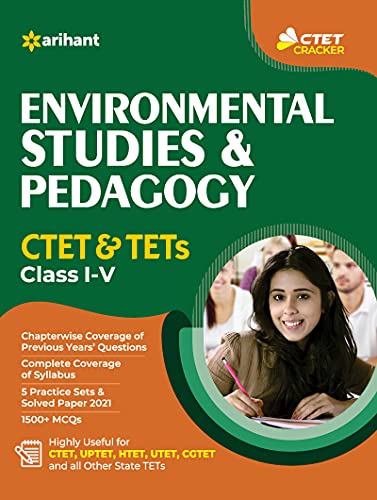
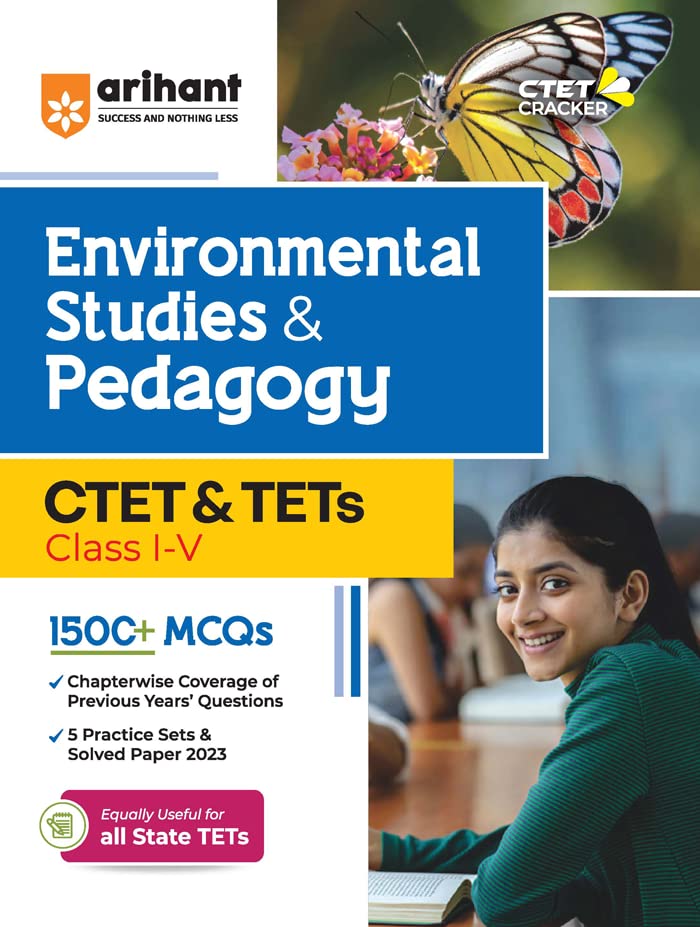
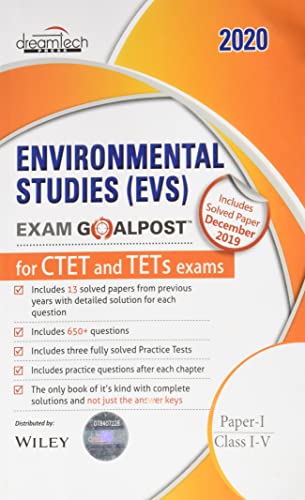
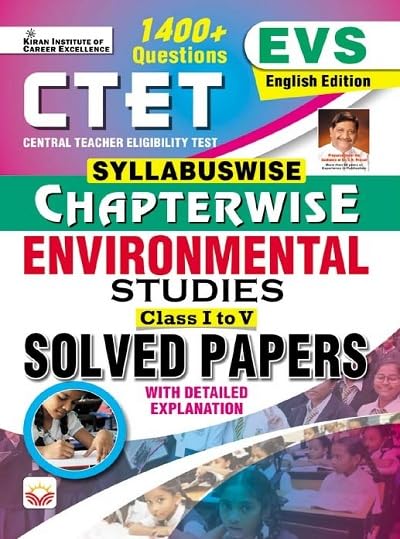
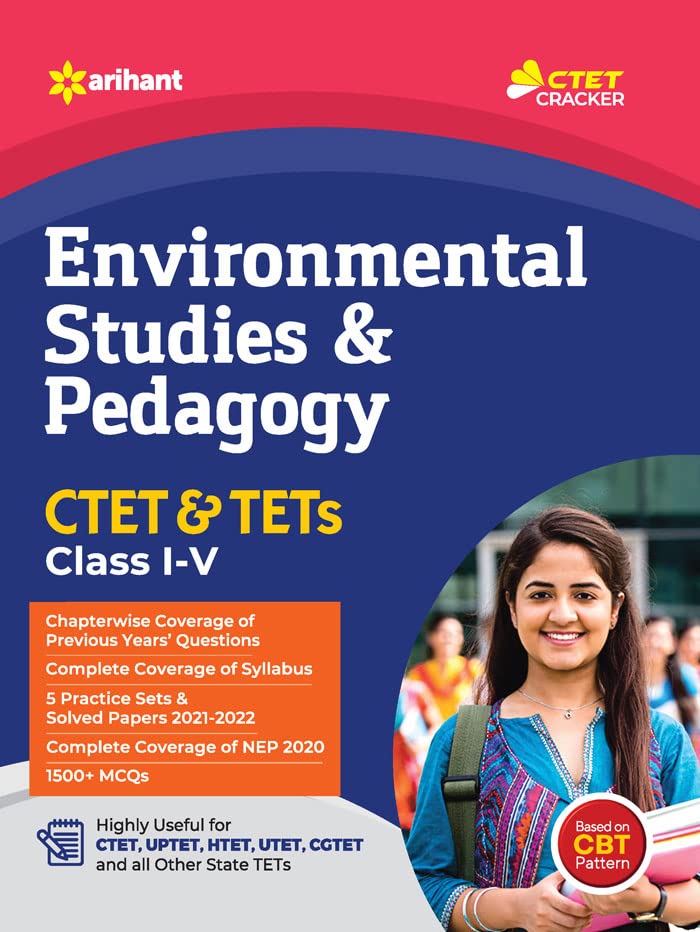
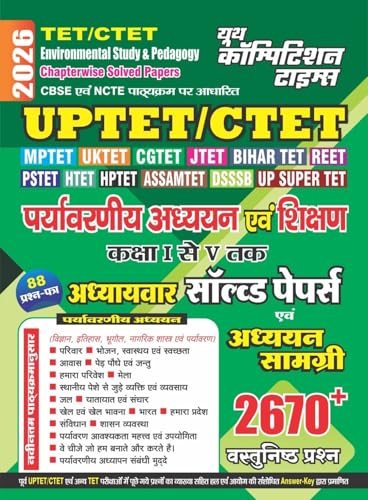
CTET Environmental Studies Useful Books


- Experiential learning improves:
a) Deep understanding
b) Rote memory
c) Fear
d) Isolation
Answer: a
- The ultimate aim of EVS teaching is to develop:
a) Environmentally responsible citizens
b) Fear of nature
c) Exam pressure
d) Competition only
Answer: a
A clear understanding of CTET 2026 Environmental Studies Paper I is essential for candidates aiming to qualify for the Primary Stage. Environmental Studies encourages children to explore their surroundings, ask questions, and connect learning with real-life experiences. The integrated approach of EVS strengthens observation, critical thinking, and problem-solving abilities in young learners. Regular practice of conceptual and application-based questions improves both subject clarity and pedagogical competence. By mastering topics under CTET 2026 Environmental Studies Paper I, candidates can confidently approach the examination and enhance their overall performance in the EVS section.